






















0800 581847
Quality Seed
Direct from Breeder
to Farmer
Welcome
Nickerson Direct have an unrivalled team of seed specialists in all parts of the UK who are trained in all aspects of agriculture and seed production.
ENSURING ADEQUATE NUTRIENT SUPPLIES FOR HEALTHY HIGH YIELDING CROPS
Results of soil tests carried out by Nickerson Direct last winter showed many fields are lacking in the key nutrients required for crop growth including potash, phosphate and sulphur.
If deficiencies are not corrected before sowing crops, then remedial action will be required once the crop has established.
Initial results from the soil testing have shown that one in four fields required liming to correct an acidic pH. Two-thirds of samples tested had potash levels lower than ideal for maize and phosphate levels were also low – below a phosphorous index of 2 - in nearly half the samples tested. However, 18% of samples were very high in phosphorous with an index of 4.
Nickerson Direct’s forage manager Simon Broddle said: “A crop of maize will remove a total of around 55kg/ha of phosphate from the soil. Where high phosphate levels have been identified it is likely that more slurry was spread – perhaps over a period of years - than could be utilised by the crop. This has left an excess of phosphate in the soil which then locks up other nutrients like copper, zinc, iron and potassium making them unavailable to the plant, and causing plant deficiencies later.”
“Deficiencies in trace elements were also detected – 79% of samples had sulphur levels below recommended limits and manganese was lacking in 58%.”“Where soil tests have not been carried out prior to drilling, and then poor crop performance signals nutrient deficiencies/excesses, nutrient supplementation can be given in the form of liquid feeds like Multimin and Multimax.”
Mr Broddle advises farmers to contact their Nickerson Direct seed specialist for more information on ensuring optimum crop health and growth.
Enter the Einstein 2008 Challange by clicking on the link and completing the entry form.
Latest News
Outstanding Home Produced Protein
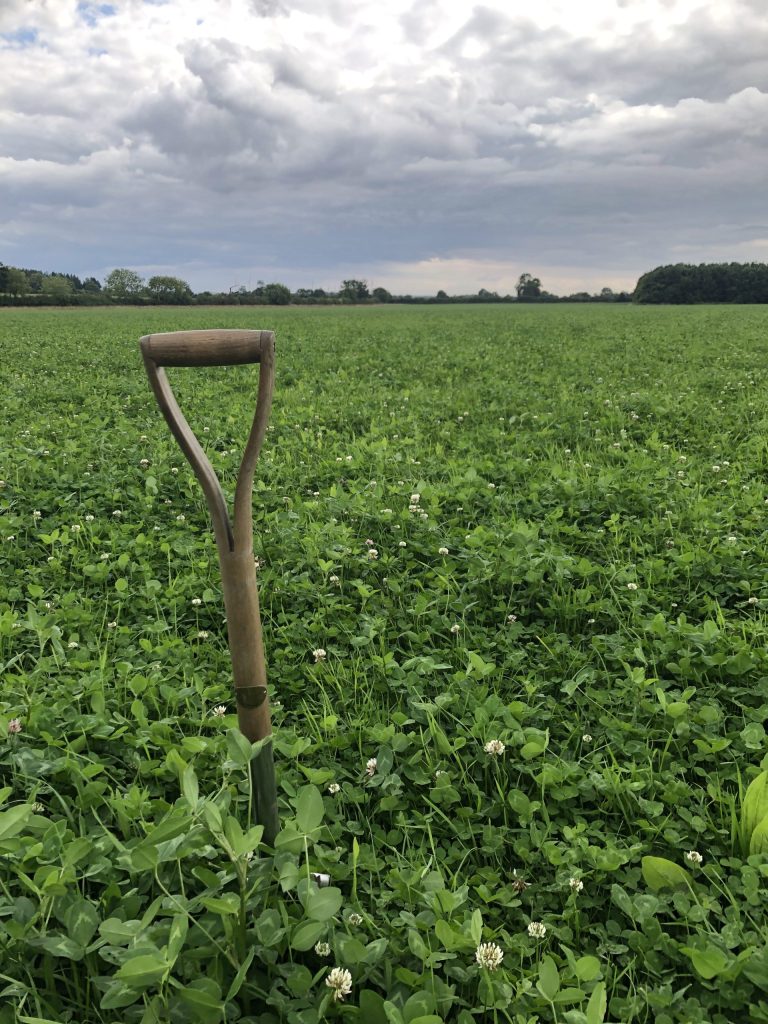
With the high price of both nitrogen fertiliser and protein feeds, legumes are likely to play an increasingly important role this season. You may think of Lucerne as being a difficult crop to grow and preserve, only suited to deep, sandy soils and with a tendency to suffer leaf shatter at harvest. However, there is no reason why Lucerne cannot be grown on sites throughout Britain.
Lucerne is one of the most cost-effective protein sources you can grow and getting the basics right is the key to a successful crop. Most importantly, it must have good structured soil that doesn’t crack open in dry summers as this will tear the roots and pull the nodules apart. In order to secure good establishment, it is important to add a live bacterial inoculant to the seed as it is sown. Soil pH should be around 6.5 and phosphate and potash ‘maintained in good heart’. By ensuring the soil is at the correct status, Lucerne will outyield Italian ryegrass without any nitrogen at all and will make high quality silage. Lucerne is easily preserved in the clamp by the addition of modern additives.
For more information on Lucerne, achieving the correct soil status, or to receive a copy of our Lucerne Growers Guide, contact Simon Broddle, Forage Product Manager, at sbroddle@nickerson.co.uk
![]() |
|