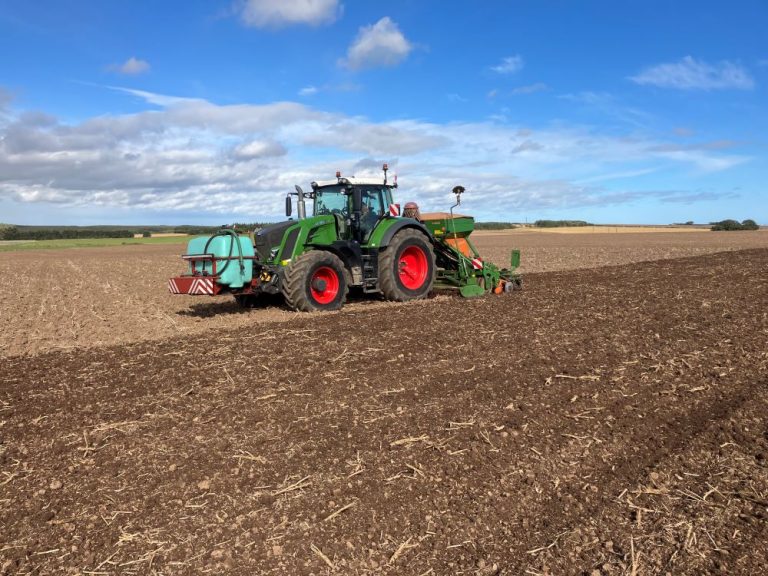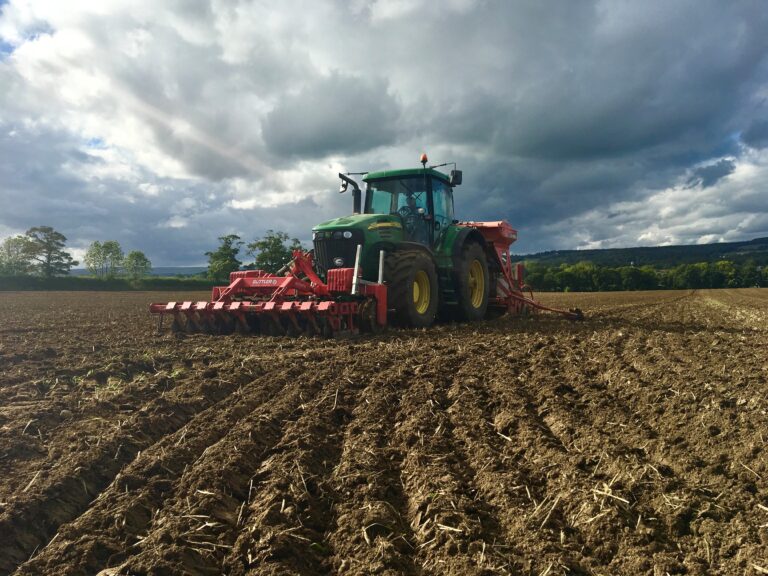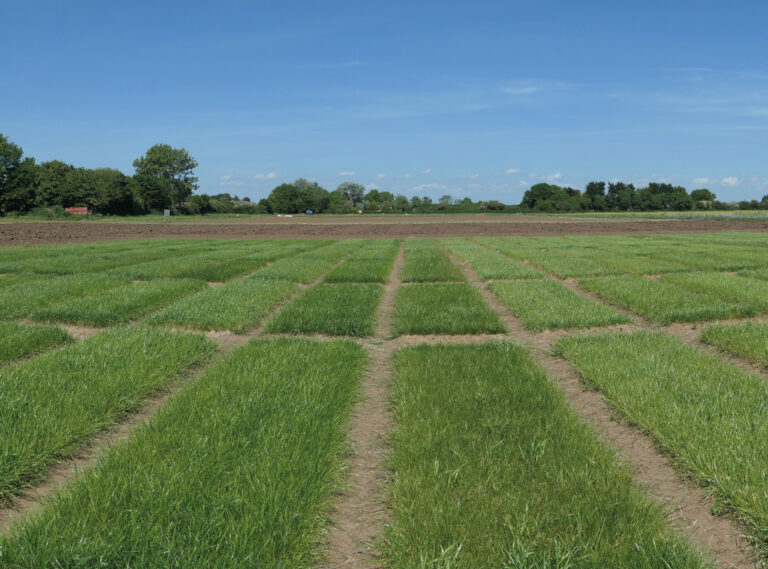

















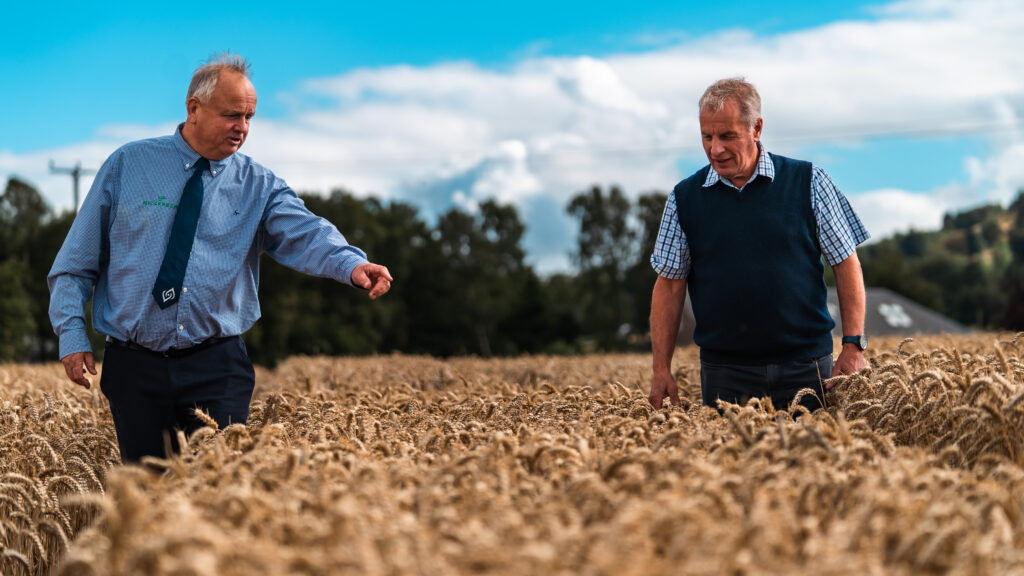






CLAIRE winter wheat produces very high yields of soft milling grain suitable for biscuits, the blended flour export market and distilling. Claire performs well in untreated trials, owing to its good disease resistance. and remains popular on farm beacuse of its suitabilty for early sowing.


PEDIGREE
Wasp x Flame

YIELD (% treated control)
  Treated Trials Untreated Trials
CLAIRE 98 82
Scout 99 88

REGIONAL TREATED TRIALS (% treated control)
  East West North
CLAIRE 99 97 98
Scout 98 99 98

AGRONOMIC CHARACTERS
  CLAIRE Scout
Resistance to lodging with PGR 7 8
Height without PGR (cm) 89 88
Ripening (days +/- Solstice) 0 +2
Resistance to Sprouting 5 6
GRAIN QUALITY
  CLAIRE Scout
Biscuit-Making Quality Yes Yes
Endosperm Texture Soft Soft
Protein Content (%) 11.2 11.4
Hagberg Falling Number 244 234
Specific Weight (kg/hl) 77.1 78.7
1000 Grain Weight (g) 46.6 46.6
Chopin Alveograph - W 102 100
Chopin Alveograph - P/L 0.3 0.3


DISEASE RESISTANCE
  CLAIRE Scout
Mildew 4 6
Yellow Rust 9 9
Brown Rust 5 9
Septoria nodorum 6 8
Septoria tritici 5 5
Fusarium Ear Blight 5 8
Eyespot 6 6


HUSBANDRY GUIDELINES (Full Husbandry Guidelines are available for Claire, click here to download a copy)

ROTATION
Ideal first, second and continuous wheat.

DRILLING DATE
Claire can be drilled safely from early September until the end of February.

SEED RATE
Claire has a high tillering capacity so opportunities exist to reduce seed rates. For early September drillings, sowing rates can be reduced to 160 seeds per square metre. This should rise to 350 seeds in late October. Seed rates should be adjusted upwards for second/continuous wheats, poor seedbed conditions, crops sown in November/December and northern regions of the UK. In general, seed rates should be 10% lower than Consort.

NITROGEN
The exact amount will depend on soil type, yield potential and residual nitrogen indices. Two thirds of the total should be applied at GS 32 and the remainder at GS 39.

DISEASE CONTROL
Claire has outstanding resistance to yellow rust and above average resistance to Septoria tritici so there are opportunities to reduce fungicide use. Resistance to mildew infection is moderate so attention should be paid to controlling this disease if infection occurs.

GROWTH REGULATION
For low yield potential sites - below 7t/ha - growth regulators maybe withheld. However, in most situations an insurance application of chlormequat at GS 30/31 would be beneficial.

HARVEST
In order to take full advantage of Claire’s superior grain characteristics, priority should be given at harvest over ordinary feed varieties. Claire should be stored separately to optimise marketing opportunities.


Data from the HGCA Recommended Lists database, full data at www.hgca.com.

On the 1-9 scales, high figures indicate that the variety shows the character to a high degree.

Bred by Nickerson.

Limagrain UK Ltd, Rothwell, Market Rasen, Lincolnshire, LN7 6DT    Tel: 01472 371471